
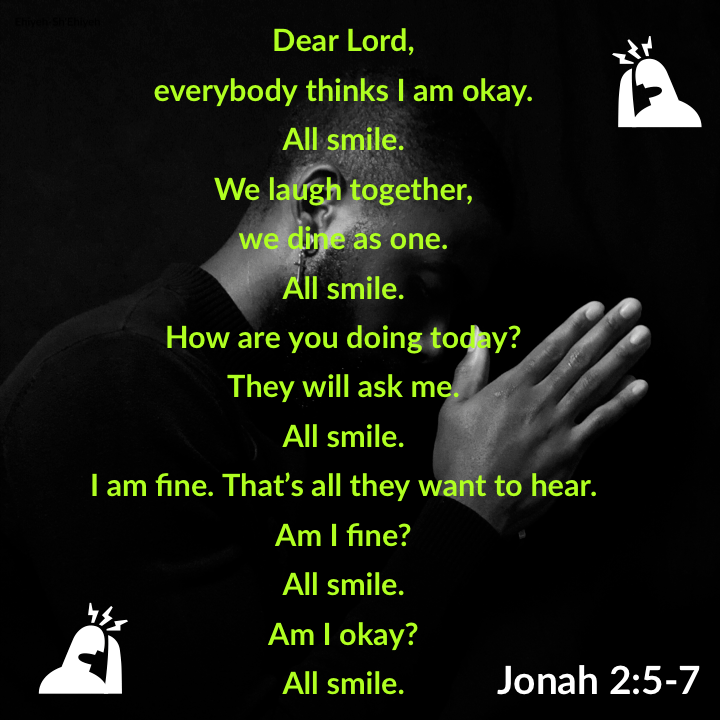
Can Christians suffer Mental Health Issues?
What is the last thing you learned?
With the overwhelming news of human suffering around me, much of it beyond my control and deeply disconcerting, the last biblical lesson I have learnt is this: silence in the face of suffering is not morally innocent, yet speech must still be governed by wisdom.
That is the tension.
On one side, Scripture does not flatter silence when the vulnerable are being crushed. Proverbs 31:8–9 calls us to speak for those who cannot defend themselves. Isaiah 1:17 ties righteousness to seeking justice and defending the oppressed. Esther 4:14 bears the hard truth that keeping quiet at a decisive moment is itself a choice. To remain mute may well be regarded as an act of omission, and perhaps even a form of complicity.
On the other side, the Bible does not praise reckless speech either. Matthew 10:16 commends being wise as serpents and innocent as doves. Colossians 4:6 suggests that our speech should be gracious and fitting. So the lesson is not merely to speak, but to speak faithfully.
Here lies the difficulty. It is not only that one may be troubled by what is happening; one must also remain alert to what is at stake. At times, wisdom may require restraint, patience, and attentiveness to the right moment to speak. Yet one must also reckon with the sobering possibility that the “right moment” may never come.
So, if I were to put it plainly, my latest biblical lesson is this:
Balance.
I am not called to comfortable silence, but neither am I called to careless noise.
I am called to truthful, courageous, and wise witness.
The story of David, Shimei, and Solomon offers a sobering lesson about forgiveness. It shows us that forgiveness is not always the same as restoration, and mercy does not always remove consequences.
When David was fleeing from Absalom, Shimei cursed him openly and threw stones at him. Though others wanted to silence him, David allowed it to continue for a time (2 Samuel 16:5–13). Later, when David returned in peace, Shimei came, fell before the king, and begged for mercy. David then chose not to put him to death (2 Samuel 19:18–23). That was an act of forgiveness.
Yet the story did not end there.
As David neared death, he told Solomon to deal wisely with Shimei, because the offence had been serious (1 Kings 2:8–9). Solomon then gave Shimei a clear condition: he was to remain in Jerusalem and not cross the Kidron Valley. If he crossed that boundary, he would bring judgement upon himself (1 Kings 2:36–38). For a while, Shimei obeyed. But later he left Jerusalem, breaking the king’s command, and this led to his death (1 Kings 2:39–46).
This story reminds us that forgiveness does not always mean forgetfulness. David spared Shimei, but he did not simply erase what had happened. Mercy was shown, but trust was not fully restored. A boundary remained.
That is often how life works. We may forgive someone sincerely, yet still recognise that the relationship has changed. We may let go of revenge without pretending that no harm was done. We may offer grace and still know that wisdom requires caution. Some wounds heal, but not all relationships return to their former shape.
Shimei’s story also shows that forgiveness is not the same as redemption. He was given mercy, but he was also given an opportunity to live differently. The boundary placed before him became a test of his character. When he crossed it, he showed that being spared had not truly changed him.
There is a difficult truth here for all of us. Forgiveness is holy, but it does not cancel accountability. It does not always restore what was broken. Sometimes the past leaves scars, and sometimes the old ways do not return. That is painful, but it is honest.
Still, forgiveness matters. It frees the heart from bitterness and places judgement in God’s hands. But this passage reminds us that forgiveness should not be confused with denial, and mercy should not be mistaken for the absence of wisdom.
Perhaps that is the lesson: forgiveness is real, but restoration must be walked out in truth.
“In their hearts humans plan their course, but the Lord establishes their steps”
Proverbs 16:9
Wisdom is a lifesaver, but divine wisdom is far more powerful. A truly wise person not only knows how, when, and where to act in their daily affairs but also understands how to navigate relationships with others.
Many of us have ambitions, goals, and aspirations—some carefully planned in chronological order, while others are still taking shape in our minds. We set out to achieve success, no matter its form, driven by our desires and intentions.
Yet, on the other side is Jehovah, the Almighty, omnipresent and all-knowing, who created us and knows our destinies. It is strange, then, that we often pursue our dreams without first consulting Him. Without divine direction, our labour may be in vain.
For instance, many people embark on career paths they were never destined to follow, only to find themselves miserable and unfulfilled, having ignored the guidance of the Holy Spirit. The Holy Spirit is the wisdom of God, urging us to seek His direction so that we do not waste our time and energy on pursuits that do not align with His will.
Let us turn to divine wisdom for guidance, protection, and peace, especially in this ever-changing world. When we surrender our plans to God’s will, we walk in alignment with our true purpose.
“Yet I will preserve 7,000 others in Israel who have never bowed down to Baal or kissed him!”
1 Kings 19:18 (NLT)
The above verse captures a powerful moment when God reassures the prophet Elijah, who, after fleeing for his life, believed he was the only faithful servant left. However, God reveals that 7,000 others in Israel have remained steadfast, refusing to worship Baal. This revelation must have been shocking to Elijah, as he had assumed that he alone stood against the tide of corruption.
Our contemporary society is experiencing an unprecedented shift from morality toward unchecked wickedness, often without remorse. People we once considered beyond reproach are now embracing lawlessness, leading to a fundamental crisis in how truth is understood and interpreted.
Yet, even in the midst of this moral decay, there are still those who stand firm—those who reject the corruption around them and uphold integrity. They do not seek approval from the masses, nor do they compromise their convictions. Instead, they recognise the power of decency and conscience in the face of rampant immorality.
This reminds us that God alone knows who truly belongs to Him. Just as Elijah, in his human limitation, could not see beyond his own experience, so too are we incapable of fully grasping the hidden faithfulness of others. What may seem like complete spiritual decline may, in reality, conceal a faithful remnant that God Himself has preserved.
This also brings to light a crucial lesson on trust. Placing trust in individuals, institutions, or movements without discernment can lead to deep disappointment. Many have been deceived by those they believed to be righteous, only to realise that their trust was misplaced. This is why it is essential to anchor our trust in God, who alone is unchanging and fully trustworthy.
The bottom line is this: in a world where truth is often compromised and morality is increasingly blurred, discernment is more necessary than ever. Trust must be given wisely, and faith must remain unshaken. Though we may feel alone in our convictions at times, we must remember Elijah’s lesson—God always preserves a remnant.
Amidst the turmoil of modern-day global conflicts, the question posed in Psalm 11:3 becomes all the more poignant: “When the foundations are being destroyed, what can the righteous do?” This ancient verse not only expresses the unease felt when witnessing societal decay, but also highlights the stark difference between areas of peace and those affected by conflict in our world today.
The ongoing wars in Ukraine, Gaza, and several other regions starkly illustrate a world where life, for many, has come to a standstill. Meanwhile, in areas untouched by such strife, life proceeds unaffected, as if insulated from the global tapestry of suffering and unrest. This juxtaposition raises profound questions about our collective moral compass and the global community’s capacity for empathy and action.
This divide is emblematic of what can be seen as “egocentric nonsense” – a term that encapsulates the indifference and self-centered justifications that perpetuate conflicts. The narrative of indifference is not just a failure of empathy but a reflection of a deeper ethical malaise where the significance of human life and dignity is overshadowed by political, ideological, or nationalistic priorities.
The ethical challenge we face is not merely recognising the disparities between peace and conflict zones but addressing the underlying attitudes that allow for such divides to persist. The call to action is for a global reawakening to the values of empathy, solidarity, and a shared commitment to the well-being of all individuals, irrespective of geographic or political boundaries.
In reflecting on Psalm 11:3, it’s important to consider that the foundations worth preserving aren’t just those of individual morality, but also of global ethical responsibility. As we face uncertain times, we need to take action and implement policies that bring people together, promote global empathy, and prioritize the collective human good over individual or nationalistic interests
Concluding, the question posed by Psalm 11:3 serves as a catalyst for a deeper exploration of our roles within a global society. It urges us to consider how we, as individuals and as part of a larger community, can contribute to healing, understanding, and ultimately, to building a more just and compassionate world.
In a world full of difficulties, wars, hunger, suffering, and other intricacies, the words of 1 Corinthians 13:13 are a source of inspiration for the fundamental virtues that define the human spirit: faith, hope, and love. This verse is not just a religious doctrine; it is a universal principle that goes beyond all faiths and encompasses the core values of a fulfilling life.
Faith is a powerful force that keeps us anchored to our beliefs and convictions, guiding us through the ups and downs of life. It gives substance to our hopes and provides evidence for the things that we cannot see. One wise person once said, “Faith is the substance of things hoped for, the evidence of things not seen.” Faith is the cornerstone of our lives. It is the unwavering belief in ourselves, others, and the mysterious forces that guide us through the ups and downs of existence.
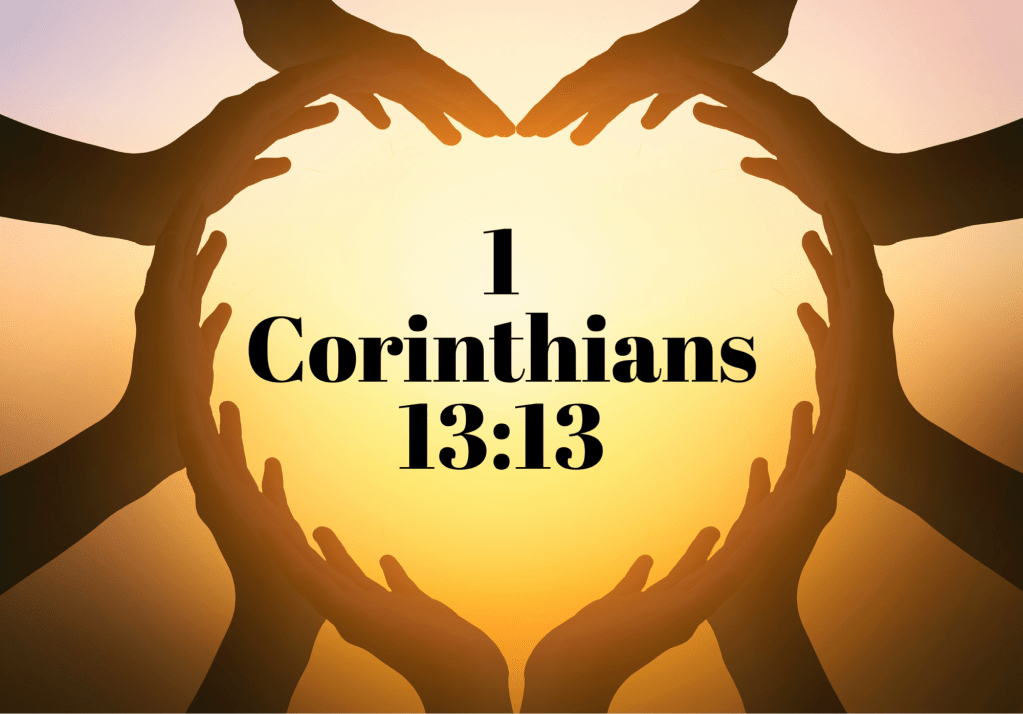
Hope is a powerful beacon that shines through even the darkest of times. It is an optimistic state of mind that gives us the courage to envision positive outcomes and strive towards them. With hope, we can overcome uncertainty and keep moving towards a brighter future, where we overcome trials and tribulations, and perseverance bears fruit.
Love, however, is widely considered the most precious virtue one can possess. It can unite and mend broken relationships and triumph over animosity and enmity. It is characterised by patience, kindness, humility, and lack of jealousy. Love never boasts or dishonours others; instead, it is selfless, honest, protective, hopeful, and persevering. Love is an unfailing force that can conquer all.
In this world that often seems torn apart by endless conflicts and differences, these three virtues remain pillars of our humanity: faith, hope, and love. These virtues, when practised collectively, have the power to transform not only individual lives but also the very fabric of society. Faith guides us, hope sustains us, and love brings out the essence of our humanity to its fullest expression. In love, we find the purest reflection of the divine, the ultimate testament to our shared humanity, and the pathway to a more compassionate world.
There is a question that is often asked after a crime has occurred. It goes this way: “Do you know your neighbour?”

As light as we may take this question, it offers profound insight into an individual’s life and personhood. In fact, it is only after a crime has been committed in our neighbourhood that we learn that we know little about the suspect neighbour. Therefore, it emphasises our limitations and the necessity of caution when dealing with our personalities; besides, many people are adept at concealing their true intentions and character.
There are two duties that the above verse exhorts us: our way of living and the contributions we make to the world around us. Taking on the appearance of one thing while being something else when we do things shows that we are not straightforward. We must align our attitudes, actions, and reactions with the values of our faith. As Christians, we should question our identity whenever we act or do things that do not conform to our claims of following God.
Do you know your neighbour is simply a better way of saying, “Do you know you?”
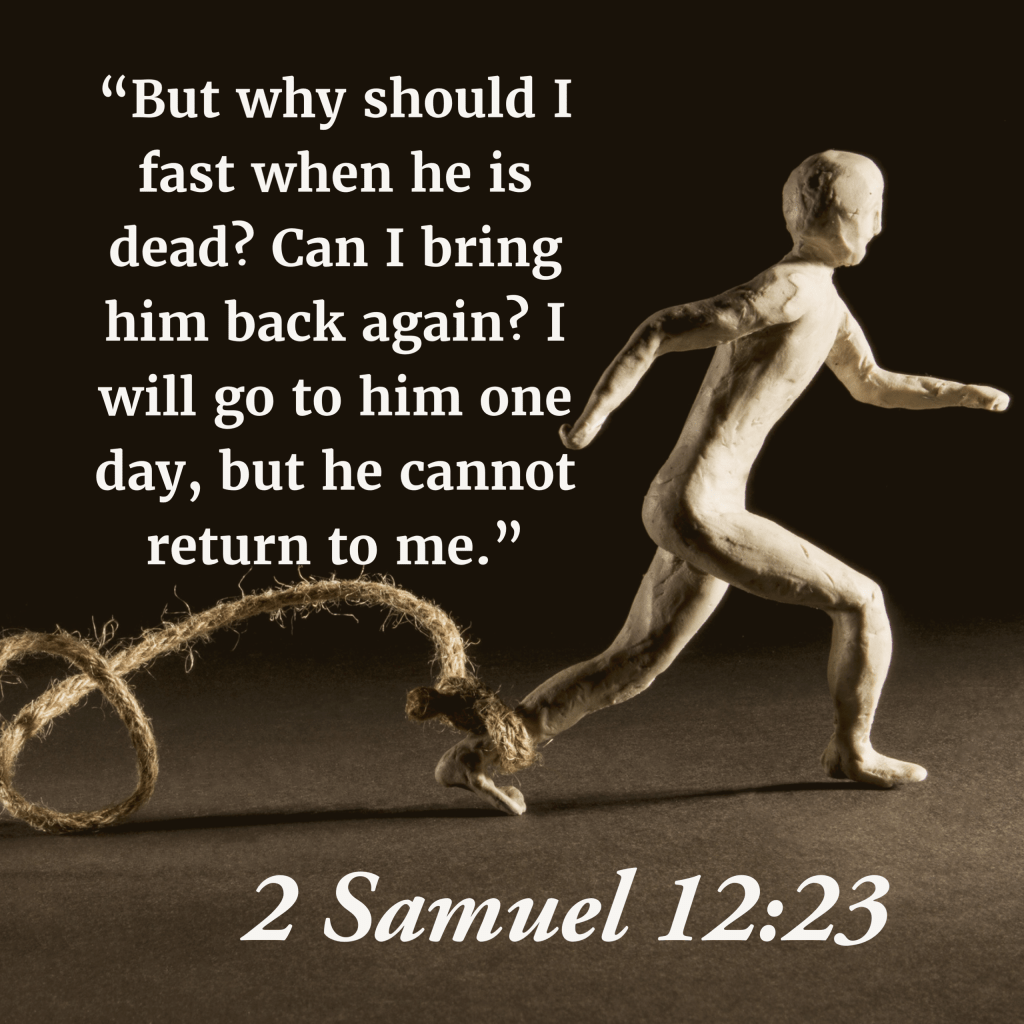

The healing process after being injured by others may take a long time. The majority of people get over it, but others may not. There is no single answer to this since it depends on the individual and their perception of life.

As a result, many people want to take up the battles of others, such as retaliation against their forefathers who harmed them. There is, however, one question that needs to be answered: whose battles are they fighting?
As much as a stone is thrown at someone else, it is also thrown at oneself. The desire to avenge creates a space for hatred to flourish. When fighting for retribution for wrongs done to close friends and family members, one does not allow them to think freely about themselves. Can they ever be sure that their people have not wronged others in the same manner? I, for one, am unwilling to participate in my father’s battle without a clear understanding of what he is believed to have caused others.
The courage to make a U-turn and realise why fighting someone’s battle forever directly indicates that one is on the wrong path is difficult.
The cost of hate is not worth it. Kindness towards all people, regardless of race, colour, personhood, abilities, shape, and size, is what makes life worth it.

There is a stray cat in our garden. I have no idea how he (or she) got there. However, I can guess he is there because he must have seen my cat through the windows. Mine is an interior cat, while this stranger seems to have no home.
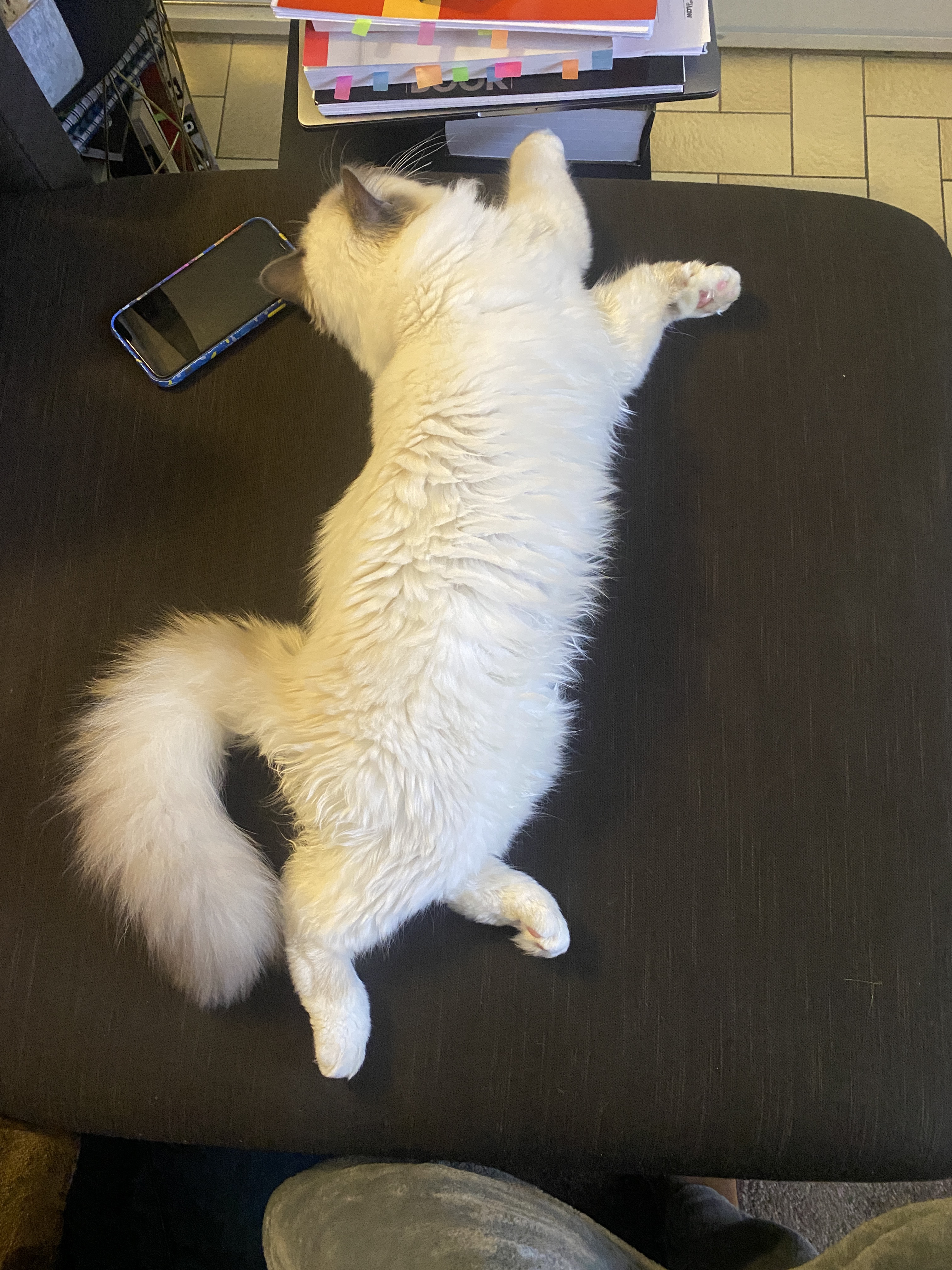
To declare the cat does not have a home might be an exaggeration. Unlike typical stray cats, this one allows me to touch and often prefers playing instead of eating the food offered him (her). My guess is the only owner is an older person because we have lots of older residents on our street.

It was nearly three months ago, and our new friend comes daily. Perhaps he (she) sleeps or not in our garden, except this is unclear. What is undoubtedly going on is how we have transitioned from giving this cat our cat leftovers to offering it fresh meals. Is that due to our hearts of kindness? Probably.
Every living being, human or animal, deserves our attention. We do not have to go beyond our capacity (unless in extreme cases) to demonstrate that we care. A little bit of kindness can go a long way. That is why it is not only during the Christmas period that we must show others we care. It must be a permanent habitual thing.
I have decided to adopt the cat, but that will be after being certain it has no home to go to.
Why are many anti-media, having no television, avoiding listening to the radio, and ignoring the newspapers? I have heard lots of them give uncountable reasons, such as (1) to protect themselves and their children; (2) it’s mostly full of bad news; (3) it’s a waste of time; and (4) it’s gradually becoming immoral.
“But as for me and my family, we will serve the Lord.”
Joshua 24:15b NLT
I will dwell on the last point in this post. That aspect of unbecoming in the face of modernity is the problem. One of the Christian Post’s recent articles mentioned a teacher who gave her pupil a breast binder and told the latter to conceal it from her parents. Reading such posts forces one to question this viral gender transformation phenomenon, which ultimately depicts the expansion of immoral sin. Today, different jurisdictions permit gender modifications, targeting children as the priority. There used to be a time when we said children are innocent, which is not sadly a shifting conservative belief. At least not anymore. One can then asks where their parents are. Whose choice to decide who must change their gender or now?
Some may counterattack, justifying it is about feeling good from the inside out. However, understanding that is far from Jehovah’s agenda is essential. The Lord made man and woman in His image. He did not make a mistake. For anyone to think that their body is the wrong person is a direct confrontation with Jehovah’s creation.
As we evolve with the world, must we develop in the wrong direction, thereby forgetting or pushing aside the principles of our Lord Jesus Christ?


You must be logged in to post a comment.